(1).jpg)
WHY DID THE PROPHET MUHAMMAD MARRY MULTIPLE TIMES? Understanding the Prophet Muhammad’s Marital Life
Europeans, known for the colourful nature of their love lives, have, for some reason, long shown great interest in the marital life of the Prophet Muhammad (peace be upon him). There are many exaggerated, even fabricated novels and plays written on this subject.
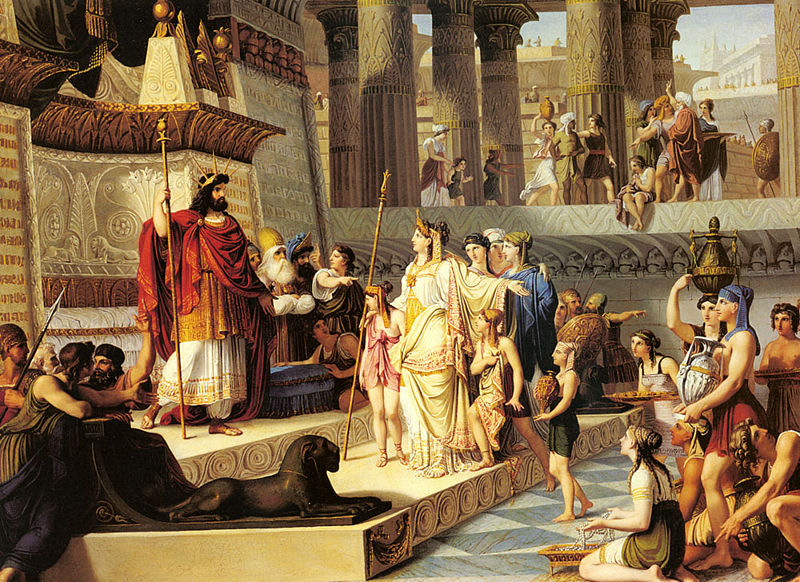
The West has long shown an interest in the family life of the East, at times with admiration and at times with criticism. The multiple marriages of the Prophet Muhammad have likewise been a constant subject of discussion. The play Zenobia by the philosopher Voltaire was written in this vein. Sultan Abdulhamid II would prevent the staging of such plays through diplomatic means. As narrated in the Torah (Tawrat) and the Gospel (Injil), the earlier prophets had many wives. The Prophet Dawud (David) had 100 wives and 300 concubines; the Prophet Sulaiman (Solomon) had 300 wives and 700 concubines.
Mothers of the Believers
Although the Prophet Muhammad was a handsome and widely loved young man, at a time when a man is in the prime of his life and in greatest need of women, he did not marry any woman other than Khadija bint Khuwaylid for a long period. He was very happy with her. All of his children, except Ibrahim, were born from this wife. Their names were Qasim, Abdullah, Zaynab, Ruqayya, Umm Kulthum, and Fatima. The sons passed away at a young age; the daughters married, and only Fatima lived six months after her father. Ibrahim was born from a concubine named Maria al-Qibtiyya, sent by al-Muqawqis, the ruler of Egypt. Thus, matters such as the legitimacy of a master and concubine living as husband and wife, and the child born from such a union being free, were clarified.

Almost all of his marriages took place after the Hijrah and for specific social and moral purposes. Most of these women were elderly, widowed, and in need. The first woman he married after Khadija was Sawda bint Zam'a, who was elderly and widowed. The only maiden he married was Aisha bint Abu Bakr. All of them were among the earliest Muslims and therefore endured great hardship. Their marriages served as a kind of reward. Marrying multiple women, especially for a person with a great mission like the Prophet, is not a matter of pleasure but rather a burden. Bearing this burden is only possible for lofty purposes. According to Islamic belief, since spouses will be together in the hereafter, these women considered it a great honour to be with the Messenger of Allah after death.
In the sixth year after the Hijrah, when the verse of hijab (Ahzab: 53) was revealed and it became forbidden for (non-mahram) men and women who were not closely related to be together and meet freely, the Messenger of Allah began to fulfill the duty of conveying his message (tabligh) to women through his wives. Thus, another wisdom behind the Prophet’s multiple marriages became evident. Women would come to these noble wives, ask questions, and they would relay the answers they had received from the Messenger of Allah.
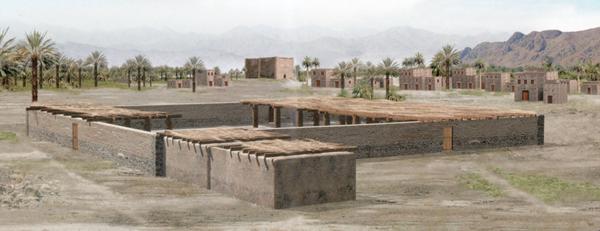
When the number of women a man could marry was limited to four, the Prophet Muhammad had nine wives. The verse of the Quran commanded: “Do not divorce them, nor take any others in marriage!” (Ahzab, 52). The Quran states that these women are the “Mothers of the Believers” (Ahzab, 6). If the Messenger of Allah had divorced them, they would not have been able to marry anyone else and would have been left in hardship. Whereas one of the very purposes of these marriages was to prevent their hardship.
These women, with their sharp intellects and deep discernment, not only conveyed the Prophet’s acts of worship (ibadah) and his conduct within the home, but also played a very significant role in the formation of fiqh (Islamic jurisprudence). Aisha was the second among the seven individuals who narrated the most hadith; she narrated more than one thousand hadiths. Hafsa was among the few who were literate. Some verses were revealed concerning the Prophet’s household life and his wives. This is one of the wisdoms behind the Messenger of Allah’s marriages to multiple women. Indeed, during the Meccan period, when practical legal rulings had not yet become a subject of concern, he was married to only one wife.
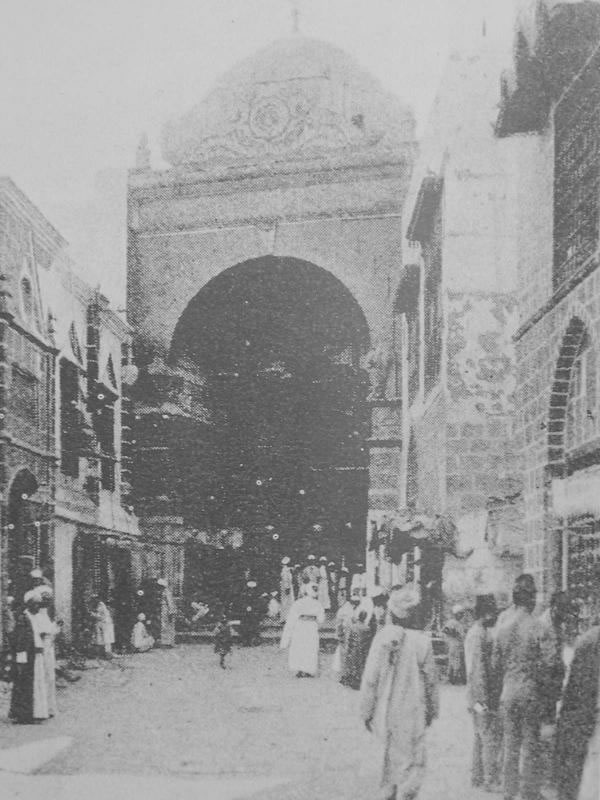
A Blessed Woman
Some of these marriages served to honour those who had rendered great service to Islam, such as Abu Bakr al-Siddiq and Umar ibn al-Khattab. Aisha was the daughter of Abu Bakr; Hafsa was the daughter of Umar. Some of these marriages also led to the conversion of prominent individuals or entire tribes. Umm Habiba (Ramlah) was the daughter of Abu Sufyan and the sister of Muawiya. Umm Habiba did not permit her father, who came to visit her, to sit on the cushion of the Messenger of Allah, and this incident awakened the first spark of faith in Abu Sufyan’s heart. Muawiya, who had frequently visited his sister and, having been shown gracious attention by the Prophet, came to embrace Islam.
When the Banu Mustaliq tribe was defeated, Juwayriya bint al-Harith, the daughter of the tribal chief, fell to the Prophet’s share among the captives taken in war. When she accepted Islam, he emancipated her and married her. Thereupon, the Sahaba (companions of the Prophet) said, “We cannot enslave the relatives of the Messenger of Allah,” and they freed all the captives. Aisha used to say, “I have not seen a woman more blessed than Juwayriya.”
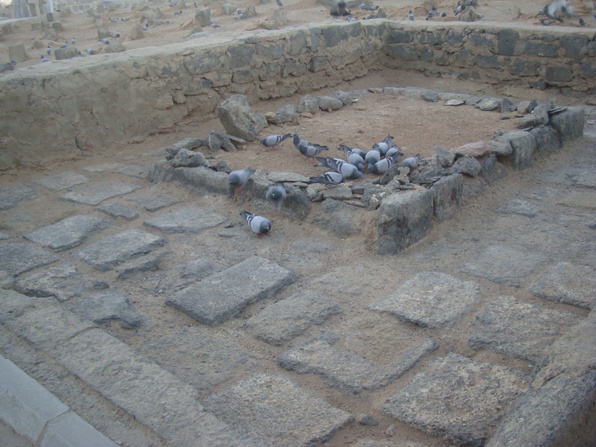
The Prophet had married his cousin Zaynab bint Jahsh to his adopted son and freedman Zayd ibn Haritha. However, they were not happy and they divorced. The Prophet was deeply saddened by the dissolution of a marriage he had arranged. The only thing that would console the noble and beautiful Zaynab was to marry the Prophet—and so it happened. Thus, it became understood that an adopted son is not like a biological son, and his former wife is not considered within the prohibited degrees of marriage (mahram).
When Abu Salama, the son of the Prophet’s aunt, was martyred at Uhud, the Prophet married his widowed wife Umm Salama (Hind), who had fallen into hardship, and became a father to her young children. Another cousin, Abdullah ibn Jahsh, was also martyred in the same battle; his widowed wife Zaynab bint Khuzayma married the Messenger of Allah but passed away eight months later. Due to her generosity, she was known as the “Mother of the Poor.” Hafsa’s husband was also a martyr of Uhud.
Among the group that migrated to Abyssinia in the early years, Ubaydullah ibn Jahsh renounced his faith that had not yet taken firm root in his heart and became a Christian. He divorced his wife Umm Habiba, who refused to abandon her religion. Shortly after, he died. Umm Habiba fell into great hardship. Upon hearing this, the Messenger of Allah wrote a letter to the ruler of Abyssinia expressing his wish to marry her. The Negus (al-Najashi), the ruler of Abyssinia solemnized the marriage and sent Umm Habiba to Medina.
Safiyya bint Huyayy was the daughter of the leader of the Jews of Khaybar and was widowed. After the Messenger of Allah married her, she embraced Islam. When the Prophet went to Mecca for the minor pilgrimage (umrah) after the conquest of Khaybar, he saw that Maymuna bint al-Harith had been left in need after her husband’s death and married her. This event eased the hearts of the Meccans, who were inwardly burdened with a sense of shame and moral discomfort because of their earlier treatment of the Messenger of Allah, and it thereby facilitated their acceptance of Islam. Maymuna was among the early Muslims and was also the sister-in-law of the Prophet’s uncles, Hamza and Abbas.
Önceki Yazılar
-
IS IMPRISONMENT A PUNISHMENT FOR THE CONVICT, OR FOR HIS INNOCENT FAMILY?16.09.2026
-
ABORTION AND INDUCED MISCARRIAGE IN HISTORY9.09.2026
-
EUROPE SHOULD LEARN TOLERANCE FROM THE EAST2.09.2026
-
A SULTAN IN THE GRIP OF THE MASONS: MURAD V26.08.2026
-
AN ANCIENT GREEK TRADITION AMONG CHRISTIANS: THE BETTER THE DOWRY, THE BETTER THE HUSBAND19.08.2026
-
HOLY RELICS ADORNING ISTANBUL5.08.2026
-
AN OTTOMAN PRINCE IN THE DESERTS OF LIBYA29.07.2026
-
THE TURKS AT THE GATES OF VIENNA22.07.2026
-
THE SOLE FEMALE RULER OF TURKISH-ISLAMIC HISTORY15.07.2026
-
SIYASATNAMAS: THE FORGOTTEN SCHOOLS OF POLITICS8.07.2026