(1).jpg)
THE RUSH FOR GOLD
Gold is a noble metal. It has also been the passion of nobles. With its yellow color, gold inspires calm; with its reddish shimmer, it inspires ambition.
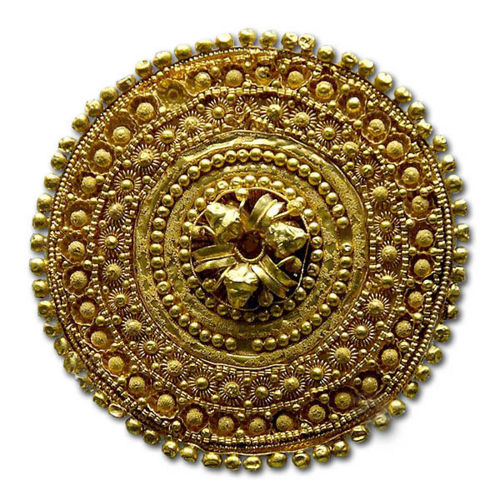
Gold does not combine with any other metal. Therefore, it is found in nature in a pure state. It always preserves its lustrous appearance. It does not deteriorate or oxidize. Because it is very soft, it was not much used in industry in the past. However, when hardened with copper and silver alloys, it becomes useful for soldering. Since it does not rust, it is used in electronic cable connections. To enable space shuttles to withstand the heat of the sun, they are coated with a very thin layer of gold. The property of reflecting the sun’s heat back exactly exists only in gold. In other words, space travel is possible thanks to gold. The window frames of Boeing 747s are made of gold. Gold is used in the treatment of teeth, rheumatism, and depression. Jewelry cannot be imagined without gold. The most masterful jewelers in history were the Etruscans. They worked gold as if weaving fabric.
.jpg)
The Noble Metal
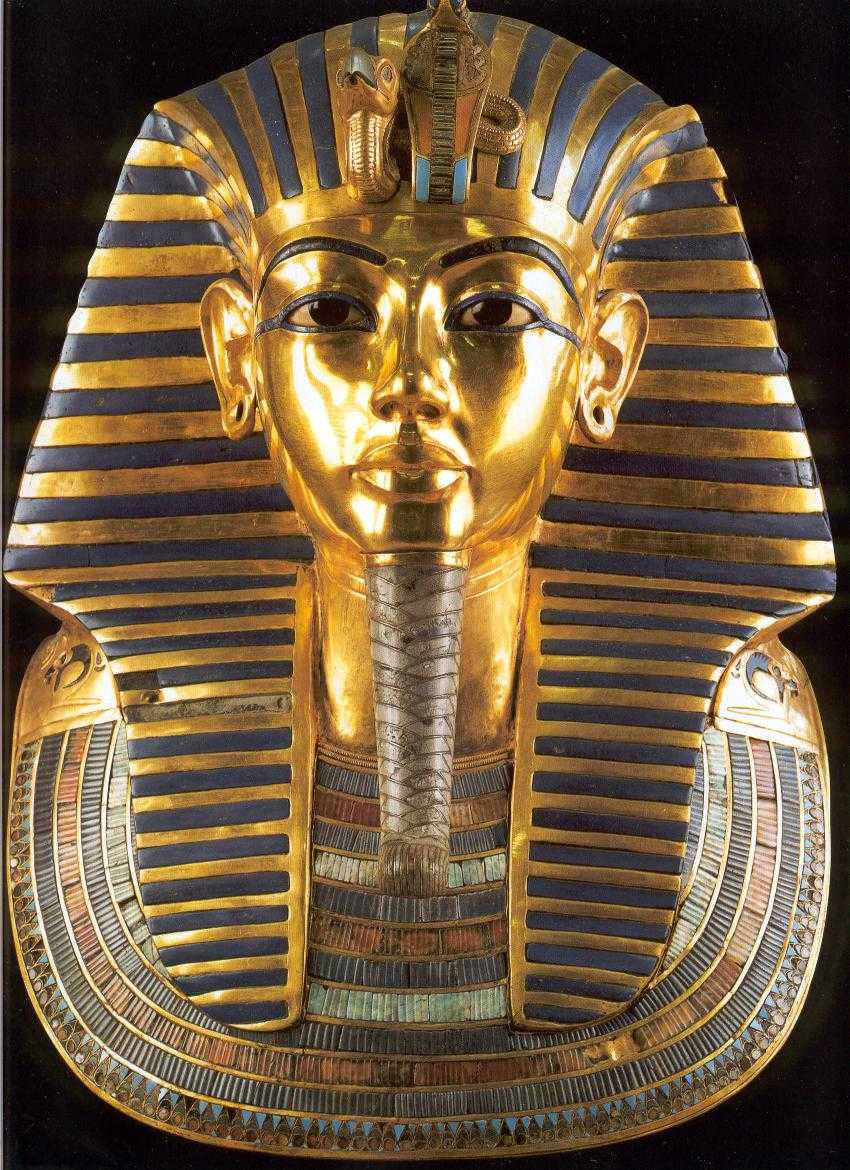
Gold is the symbol of nobility and eternity. Since gold is noble, the nobles among people have expressed themselves only with gold. Kings wear gold crowns. The coffin of Pharaoh Tutankhamun is entirely made of gold. In Oghuz tradition, the eldest son, Günhan, would sit in the golden tent. The brothers of Genghis Khan were called “Golden-Capped” and “Golden-Quivered.” The book that records the lineage of Genghis Khan is called the “Golden Register,” and the largest state that split from the empire was called the Golden Horde. In the ancient Turkic religion, the sky god had a palace with golden gates and a golden throne. Distinguished guests were welcomed by the Golden Peg (the Pole Star). It is clear that gold occupies the foremost place in state life. The Chin (Gold) dynasty, which built the Great Wall, gave China its name.
In the mid-6th century, the Avars, who lost their dominance in Asia to the Göktürks, migrated en masse to Central Europe and established a powerful state. By extorting tribute from their surroundings, especially with the gold they received from Byzantium, they caused an Avar legend to arise in Europe. The Avars’ gold whetted the appetite of the Frankish kingdom. After a series of wars, Charlemagne destroyed the Avar State in 796. The gold obtained greatly depressed the Western European market.
Gold Fever
Mamay Mirza, the army commander at the height of the Golden Horde State in southern Russia, noticed that the Russians had grown wealthy in recent years and, in 1380, attacked them on the pretext of collecting old taxes. He was badly defeated. Mamay’s greed for gold led to the weakening and collapse of the Golden Horde and enabled the Russians to free themselves from Tatar domination.
Three centuries later, Merzifonlu Kara Mustafa Pasha wanted to capture Vienna, which had been enriched by Spanish gold transported from America for 150 years. At that time, Spain and Austria were one state. He set out on the campaign without informing the Sultan. Because of his pride, he was negligent in taking precautions. He was very badly defeated. The fortune of the Ottomans turned. It became the beginning of the retreat from Europe.
These golds did not benefit Spain either. In 1936, the Spaniards plunged into a civil war. Republican communists smuggled 80 wagonloads of gold to Soviet Russia, which they considered friendly, in order to retrieve it later and prevent it from falling into the hands of their rivals, the Francoist royalists. Franco won. The Russians not only refused to return the gold but also demanded payment for the weapons they had sold to the communists. Years later, when democracy was established and socialists came to power, they asked again. They were told they’d never see that gold again. Gold does not listen to ideology or anything of the sort.
The Spanish invaders, blinded by greed, fabricated the legend of El Dorado (the Land of Gold). Although they burned and destroyed here and there for years, they eventually realized that no such place existed and abandoned this obsession. In the meantime, however, the name El Dorado remained for several cities. Later, gold fever began in North America. A famous film titled “The Gold Rush” was even made.
Dazzling Splendor
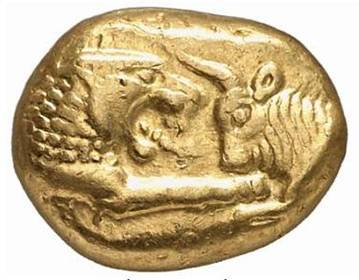
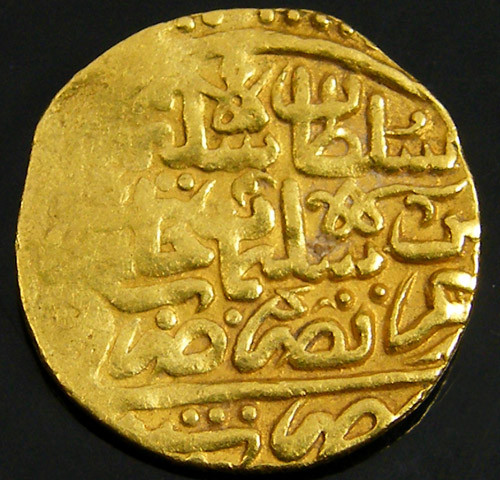
The splendor of gold still continues. The oldest known gold coin belongs to the Lydians. It was minted in the city of Sart in Salihli, Türkiye. The first gold refinery also belonged to them. Gold was used as money until the 19th century. The difficulty of carrying large amounts of gold gave rise to paper money (banknotes). However, gold maintains its throne as a measure of value.
Gold appears most vividly in geography. In Chinese sources, the Altai Mountains—the region traditionally regarded as the homeland of the Turkic peoples—were at times referred to descriptively as Jinshan, meaning “Golden Mountain.” Over time, this idea of Golden Mountain became associated with the name Altai (which in Turkic usage carries phonetic and symbolic associations with altın, “gold”). Some linguists estimate that the word Al-don (red dress) gradually turned into altın (in Turkish folk speech altun).
Humans also have a tendency to liken places and objects to gold: names such as Altınova (Golden Plain), Altıntepe (Golden Hill), Altın River, and Golden Ear of Wheat are common. Arab geographers once called Central Asia Muruj al-Dhahab (Golden Steppes). In Central Asia, there is also the Zerafshan River, whose name means “gold-scattering.”
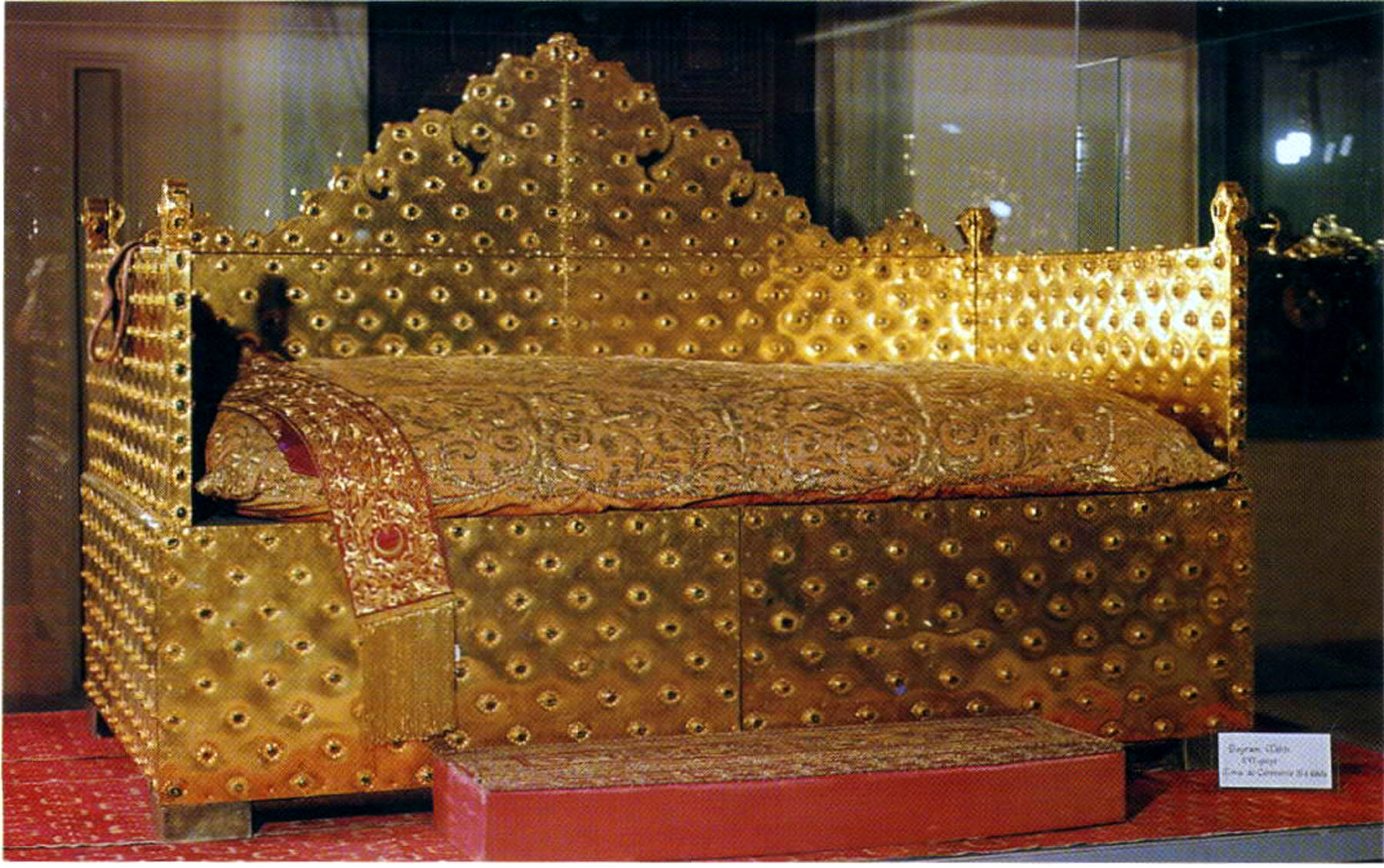
In the lives of people and states, perfect times are called the Golden Age. To describe a perfect person, the expression “like gold” is used. On earth, nothing reminds one of the sun more than gold. One speaks of the sun’s golden rays. In Türkiye, Haliç was called the Golden Horn (Altın Boynuz) even in antiquity.
In North American Columbia, gold-rich mountain regions gave rise to names and legends associated with gold (Gold Range). In West Africa, the region historically known as the Gold Coast extended for hundreds of kilometers along the Atlantic coast. There was even a chivalric order called the Order of the Golden Fleece. Humankind has long attempted to make gold out of copper through alchemy. Throughout history, well over 100,000 tons of gold have been extracted.
Among Turkish people, one of the best wishes is the saying, “May what you touch turn into gold.” For gold, both the words yellow and red are used, because in the past these two colors were not seen as very different. With its yellow color, it inspires calm; with its reddish shimmer, it inspires ambition.
Önceki Yazılar
-
IS IMPRISONMENT A PUNISHMENT FOR THE CONVICT, OR FOR HIS INNOCENT FAMILY?16.09.2026
-
ABORTION AND INDUCED MISCARRIAGE IN HISTORY9.09.2026
-
EUROPE SHOULD LEARN TOLERANCE FROM THE EAST2.09.2026
-
A SULTAN IN THE GRIP OF THE MASONS: MURAD V26.08.2026
-
AN ANCIENT GREEK TRADITION AMONG CHRISTIANS: THE BETTER THE DOWRY, THE BETTER THE HUSBAND19.08.2026
-
WHY DID THE PROPHET MUHAMMAD MARRY MULTIPLE TIMES? Understanding the Prophet Muhammad’s Marital Life12.08.2026
-
HOLY RELICS ADORNING ISTANBUL5.08.2026
-
AN OTTOMAN PRINCE IN THE DESERTS OF LIBYA29.07.2026
-
THE TURKS AT THE GATES OF VIENNA22.07.2026
-
THE SOLE FEMALE RULER OF TURKISH-ISLAMIC HISTORY15.07.2026